No products in the cart.

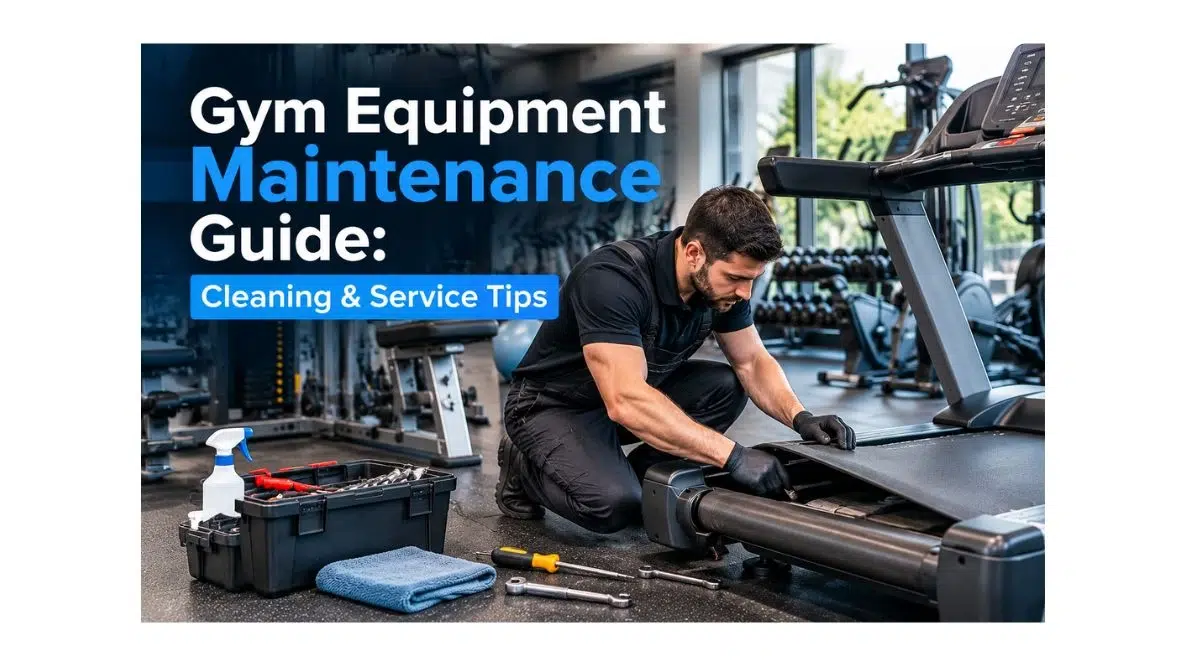
Gym Equipment Maintenance Guide: Cleaning & Service Tips Leave a comment
Regular gym equipment maintenance in Bangladesh helps keep fitness machines clean, stable, and ready for everyday workouts. Sweat, dust, frequent use, and worn components can affect equipment performance over time. Whether you own a home gym or manage a commercial fitness centre, a consistent maintenance routine can help identify problems early and reduce avoidable repair costs. This guide covers equipment cleaning, inspection, lubrication, servicing schedules, and when to seek professional maintenance.
Why Is Gym Equipment Maintenance Important?
Gym equipment needs regular care to maintain its condition and support safe operation. Loose fasteners, damaged cables, worn treadmill belts, and neglected moving parts can affect how machines perform.
A consistent maintenance routine offers several benefits:
- Supports safe workouts: Regular inspections help identify visible damage and unstable components.
- Maintains performance: Cleaning and manufacturer-approved servicing help equipment operate as intended.
- Controls repair costs: Identifying wear early may prevent some minor issues from becoming more serious.
- Extends equipment lifespan: Appropriate care helps protect machines from unnecessary wear.
- Reduces downtime: Planned maintenance can help commercial gyms keep equipment available for members.
Maintenance needs vary according to equipment type, usage frequency, and manufacturer recommendations. A treadmill used daily in a busy gym may need more frequent attention than a set of dumbbells used occasionally at home.
How to Clean Gym Equipment Properly
Regular gym equipment cleaning removes sweat, dust, and residue while protecting machine surfaces. Always follow the manufacturer’s cleaning instructions and use suitable products.
Cleaning Strength Training Equipment
Wipe dumbbells, weight plates, benches, handles, and padded surfaces after use. Remove dust from accessible machine parts and dry surfaces properly. Avoid spraying liquids directly onto cables, bearings, or adjustment mechanisms.
Cleaning Cardio Machines
Treadmills, exercise bikes, ellipticals, and rowing machines need regular cleaning. Wipe handles, seats, and consoles with suitable products. Keep liquids away from motors and electrical components, and clean treadmill belts only as recommended by the manufacturer.
Gym Equipment Inspection Checklist
Regular gym equipment inspection helps identify wear, loose parts, and potential safety issues before they worsen.
Inspect Frames, Bolts and Moving Parts
Check frames for cracks, corrosion, loose fasteners, and instability. Ensure adjustable seats, locking pins, and attachments are secure properly. Stop using unstable equipment immediately.
Check Cables, Belts and Electrical Components
Inspect cables for fraying, treadmill belts for visible wear, and power cords for damage. Watch for unusual noises, vibration, or faulty controls. If you notice problems, stop using the machine and arrange professional servicing.
Gym Equipment Lubrication and Moving Parts
Proper gym equipment lubrication helps reduce friction and maintain smooth movement where required. Maintenance needs vary by machine, so always follow the manufacturer’s instructions.
Some treadmills require lubricant beneath the running belt, while others use maintenance-free systems. Certain machines also have specific lubrication points for moving components.
- Use only manufacturer-approved lubricants.
- Follow recommended application methods and intervals.
- Never lubricate sealed components unless instructed.
- Keep oil away from surfaces where it could cause slipping.
- Contact a technician if unusual noises continue after approved maintenance.
Regular, model-specific care helps maintain equipment performance and avoid unnecessary damage.
Gym Equipment Maintenance Schedule
A regular gym equipment maintenance schedule helps keep machines clean, functional, and safe. Maintenance frequency depends on equipment type, usage, and manufacturer recommendations.
Daily Maintenance
Wipe frequently touched surfaces, remove sweat and dust, and check for unusual noises or visible damage. Report faults before equipment is used again.
Weekly and Monthly Maintenance
Inspect accessible fasteners, cables, belts, adjustment mechanisms, and visible wear according to the manufacturer’s instructions. Address reported issues promptly.
Professional Servicing
Arrange qualified servicing for technical inspections, adjustments, and component replacement. Keep records of inspections and repairs to track recurring problems and plan future maintenance.
Home Gym vs Commercial Gym Equipment Maintenance
Home and commercial gym equipment both need regular cleaning, inspection, and proper care. However, commercial gym maintenance often requires more frequent checks because machines experience heavier use.
Home gym owners can focus on routine cleaning, visual inspections, and manufacturer-recommended servicing. Commercial facilities should maintain inspection records, assign cleaning responsibilities, and report faults promptly.
Frequent use can increase wear on cables, belts, upholstery, and moving parts. Remove damaged equipment from service until it has been inspected and repaired. For both settings, adjust maintenance schedules according to usage and manufacturer guidelines.
Common Gym Equipment Problems and When to Call a Technician
Unusual noises, damaged cables, slipping belts, unstable frames, and resistance problems can indicate equipment faults. Basic visual checks may identify some issues, but certain problems require professional attention.
Contact a qualified technician when:
- Equipment remains noisy after routine checks.
- Cables or load-bearing parts show damage.
- Electrical controls malfunction.
- Resistance changes unexpectedly.
- The machine becomes unstable.
Stop using faulty equipment until it has been inspected and repaired. Prompt gym equipment servicing can help prevent further damage and reduce unnecessary downtime.
Why Choose FitnessMart for Gym Equipment Maintenance?
FitnessMart helps customers find suitable gym equipment solutions for home workouts and commercial fitness facilities. Proper maintenance keeps your equipment in good condition and helps identify potential problems before they lead to costly repairs. Whether you manage a busy gym or maintain a home workout space, regular cleaning, inspections, and timely servicing support better equipment care.
If your treadmill, exercise bike, or strength machine needs attention, contact FitnessMart to discuss your requirements. Our team can help you explore available support options based on your equipment and maintenance needs.
Faq About Gym Equipment Maintenance
How Often Should Gym Equipment Be Serviced?
Service frequency depends on equipment type, usage, and manufacturer recommendations. Commercial machines used daily may need more frequent inspections than home equipment.
How Do You Maintain Gym Equipment at Home?
Clean surfaces regularly, inspect visible components, keep machines stable, and follow the manufacturer’s care instructions. Arrange professional servicing when needed.
Does a Treadmill Need Regular Lubrication?
Some treadmills require belt lubrication, while others use maintenance-free systems. Check your model’s manual before applying lubricant.
When Should I Book Professional Gym Equipment Maintenance?
Contact a qualified technician if you notice damaged cables, unusual noises, unstable movement, electrical faults, or persistent performance issues. Stop using potentially unsafe equipment until it has been inspected and repaired.
Keep Your Gym Equipment in Good Condition
Protect your fitness equipment with regular cleaning, routine inspections, and proper servicing. These simple steps help you maintain performance and identify problems early. Need professional assistance? Contact FitnessMart to discuss your maintenance needs and keep your gym ready for every workout.