
No products in the cart.
How to Maintain a Treadmill at Home – Complete Beginner to Pro Guide Leave a comment
If you want your treadmill to perform like new for years, you must learn how to maintain a treadmill at home. Many people invest in a quality machine but ignore basic care. As a result, the treadmill starts making noise, the belt slips, and performance drops. With the right routine maintenance, you can avoid expensive repairs and keep your workouts safe and effective.
In this complete guide, you will learn simple, practical steps to keep your treadmill running smoothly, protect important moving parts, and avoid common mistakes. Whether you are a beginner or a regular user, these easy tips will help you extend the life of your treadmill and improve your fitness experience. Let’s start with why treadmill maintenance is so important.
Why Treadmill Maintenance Is Important
Regular treadmill maintenance is essential if you want your machine to last longer and perform efficiently. When you follow proper care and routine maintenance, your treadmill stays running smoothly, and every workout feels safe and comfortable. Without maintenance, dust buildup and friction can damage important moving parts, reduce performance, and increase the risk of sudden breakdowns.
One of the biggest benefits of maintenance is that it extends the life of your treadmill. Proper cleaning and proper lubrication protect the belt and motor, which are the most expensive components. It also prevents wear on running belts, keeps the running decks in good condition, and ensures the system stays properly tensioned.
Maintenance also protects the motor and electronics, improves safety, and reduces injury risk. A well-maintained treadmill saves repair costs, prevents belt damage, and keeps workouts effective. In the long term, regular care helps you avoid costly servicing and ensures your treadmill continues to support your fitness goals.
Basic Treadmill Parts You Should Know Before Maintenance
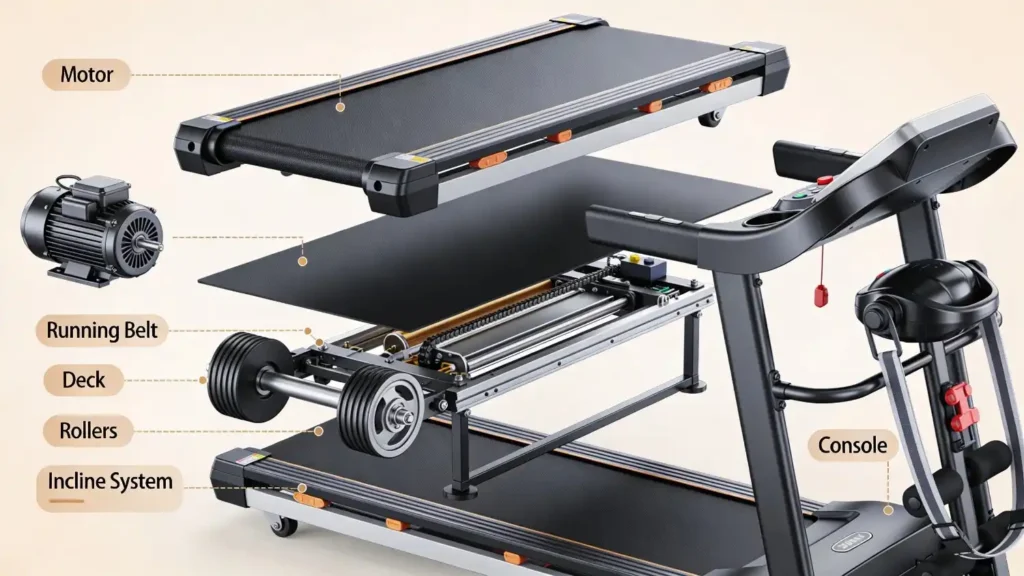
Before learning advanced care, you must understand the key parts of your treadmill. This knowledge makes it easier to perform treadmill maintenance and identify problems early. The most important component is the motor. It powers the machine and keeps the treadmill treadmill run efficiently. Proper cleaning and ventilation protect it from overheating and dust buildup.
The running belts are another crucial part. They need to stay clean, aligned, and properly tensioned to avoid slipping. The deck, also known as the running decks, supports your body weight. Regular cleaning and lubricate the treadmill belt process reduce friction and protect both the belt and deck.
Rollers help the belt move running smoothly, while correct belt tension and belt alignment ensure stable workouts. The incline system also requires care to prevent mechanical issues. Finally, the console and electronics control speed and settings, so you must unplug the treadmill before cleaning to protect the system. Understanding these parts helps you maintain your treadmill confidently and safely.
Daily Treadmill Maintenance Tips for Home Users
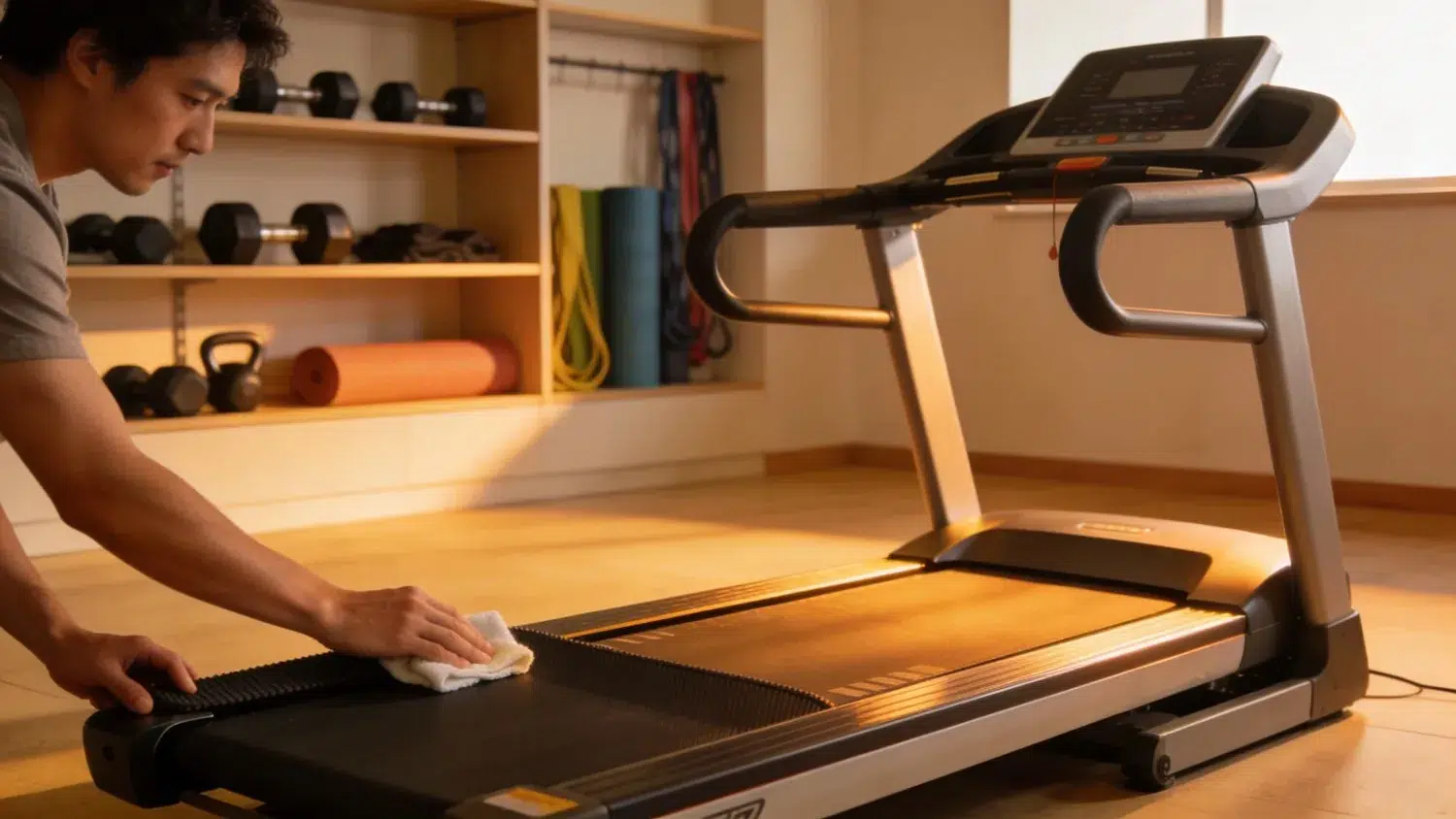
Keeping your treadmill in top shape starts with small daily habits. After each workout, always wipe sweat and dust from the running belts, running decks, and handrails. Clean the console gently to prevent dust buildup from affecting the motor and electronics. Listen carefully for any unusual noises from moving parts, which could indicate misalignment or wear. Check that the belt is running smoothly and remains properly tensioned. Finally, always turn off and unplug the treadmill when not in use. These simple steps promote hygiene, prevent minor problems, and keep your treadmill ready for every workout.
Weekly Treadmill Maintenance Checklist
A weekly check ensures your treadmill stays reliable. Clean the area around the machine and vacuum under the treadmill to prevent dirt from affecting the belt and motor. Inspect the power cord and plug for any damage. Tighten loose screws on the frame and deck to maintain stability and ensure the running belts are properly tensioned. Check all moving parts and running decks for wear or misalignment. Regular weekly attention prevents accidents, protects the treadmill, and keeps every treadmill run smooth and safe.
Monthly Treadmill Maintenance Routine
Monthly maintenance goes deeper to keep your treadmill performing like new. Start by lifting the belt and using a quality lubricant to lubricate the treadmill belt, reducing friction on running decks and rollers. Inspect the belt tension and belt alignment to ensure the treadmill moves smoothly. Check the motor and electronics for dust accumulation and clean if necessary. Examine the rollers and incline system to prevent wear. Following this monthly routine extends the life of your treadmill, protects major components, and avoids costly repairs.
How to Clean a Treadmill Properly at Home (Step-by-Step Guide)
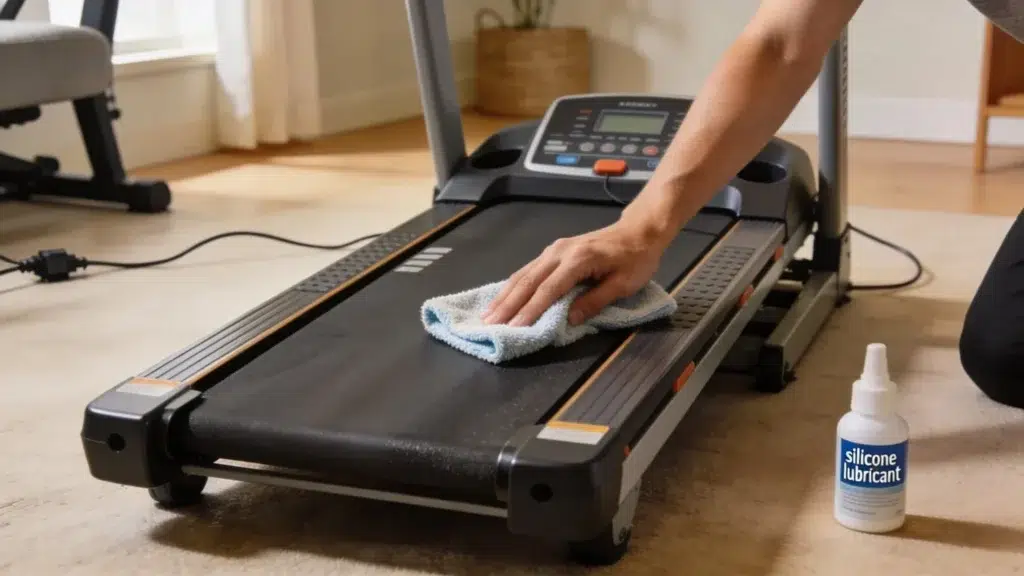
Keeping your treadmill clean is essential to ensure it runs smoothly and all moving parts stay in top condition. Follow these simple steps to perform safe and effective treadmill maintenance:
- Turn off and unplug the treadmill – Always disconnect the power before cleaning to protect the motor and electronics.
- Use a microfiber cloth – Gently wipe the running belts, running decks, and handrails to remove sweat and dust buildup.
- Clean the belt and deck – Lift the belt slightly and wipe underneath to prevent friction and wear, helping to extend the life of your treadmill.
- Clean the console safely – Wipe with a dry or slightly damp cloth. Avoid spraying water directly on electronics.
- Avoid water and harsh chemicals – These can damage the belt and motor and affect the treadmill’s treadmill run performance.
Regular cleaning keeps your treadmill properly tensioned, safe, and ready for every workout.
How to Lubricate a Treadmill Belt at Home
To keep your treadmill running smoothly, it’s essential to lubricate your treadmill regularly. Use a silicone-based lubricant rather than WD-40, which can damage the belt and motor. Lift the belt carefully and apply the lubricant evenly under the belt, following the manufacturer’s instructions. For most home treadmills, lubrication every 3–6 months is sufficient, depending on usage. Avoid over-lubricating, which can cause slipping or uneven belt tension. Proper lubrication reduces friction on running decks and rollers, protects moving parts, and ensures your treadmill run stays comfortable and safe.
Common Treadmill Problems and Easy Fixes
Even well-maintained treadmills can face issues. A belt slipping usually means the belt tension needs adjustment. A burning smell often signals friction from a dry running belt—lubricate the treadmill belt to fix it. Loud noise can come from loose moving parts or worn rollers. If the treadmill stops suddenly or the console isn’t working, check the power and clean the dust buildup around the motor and electronics. Most of these problems have simple DIY fixes, keeping your treadmill running smoothly without expensive repairs.
How Often Should You Service Your Treadmill?
The frequency of professional servicing depends on usage. For light home use, service once every 12 months. Heavy home use requires checks every 6–9 months, while commercial treadmills should follow the manufacturer’s recommended schedule. Between professional visits, regular routine maintenance like cleaning, checking running belts, and proper lubrication keeps your treadmill properly tensioned and running smoothly. Following these intervals ensures the belt and motor stay in top condition and extends the life of your treadmill.
When to Call a Professional Technician
Call a technician immediately for motor failure, electrical issues, serious belt or deck damage, or if the treadmill is under warranty. Attempting DIY fixes for these problems can harm the motor and electronics or void your warranty. Professionals ensure the treadmill stays safe, maintains belt alignment, and keeps all moving parts functioning correctly.
Safety Tips for Treadmill Maintenance
Always unplug the treadmill before maintenance to protect the motor and electronics. Avoid water or harsh cleaners near running belts and the console. Use proper tools and follow the manufacturer’s manual for adjustments. Keep children and pets away while performing treadmill maintenance. Regular cleaning and careful handling prevent accidents, reduce wear on running decks, and ensure your treadmill continues running smoothly for every workout.
Beginner Mistakes to Avoid When Maintaining a Treadmill
Many beginners unintentionally shorten the life of their treadmill by making simple mistakes. Avoid these common errors to keep your treadmill running smoothly and all moving parts protected:
- Over-lubrication – Too much oil can cause the running belts to slip and damage the belt and motor.
- Ignoring unusual noise – Early signs of friction or loose moving parts can worsen if left unchecked.
- Using the wrong oil – Avoid WD-40 or other inappropriate lubricants; always lubricate your treadmill with silicone-based oil.
- Skipping cleaning – Dirt and dust buildup on running decks and rollers reduce performance and safety.
- Not tightening the belt – A loose belt affects belt tension, belt alignment, and overall treadmill run.
For durable, low-maintenance treadmills, check out Motorized Treadmills and Manual Treadmills at Fitnessmart, designed to perform reliably with proper care. Following these tips helps you maintain safety, performance, and extends the life of your treadmill.
Conclusion
Maintaining your treadmill with simple daily, weekly, and monthly routines extends the life of your running belts, running decks, and moving parts. Regular care saves money on repairs, protects the motor and electronics, and keeps every treadmill run safe and efficient. Simple habits like cleaning, lubricating the treadmill belt, and checking belt tension make a huge difference. For high-quality treadmills that require minimal maintenance, check out Fitnessmart and start your safe, long-lasting fitness journey today. Keep your treadmill performing like new—start your routine now!
Frequently Asked Questions (FAQs)
What maintenance should I do on my treadmill?
Regularly clean running belts, running decks, and moving parts, and lubricate your treadmill as needed.
How to care for a home treadmill?
Wipe sweat daily, check belt alignment, and perform routine maintenance weekly and monthly.
What is the 12 rule on a treadmill?
The “12 rule” means checking belt tension and belt alignment every 12 weeks for optimal performance.
Do I need to oil my treadmill?
Yes, lubricate the treadmill belt with silicone-based oil to reduce friction on running decks and rollers.
What is the common problem with a treadmill?
Common issues include belt slipping, friction noises, and dust buildup affecting the motor and electronics.